HOW TO ARRANGE FURNITURE IN YOUR LIVING ROOM
By Chelsea King | Published April 24, 2025 | Updated January 22, 2026

UNDERSTANDING YOUR SPACE & STARTING with a PLAN
Before you begin arranging furniture, understanding your living room space is crucial. Without a plan, you might face design challenges that disrupt the flow.
First, consider how you want to use the space. Is it primarily for entertaining, relaxing, or a mix of both? Once you have clarity, it becomes easier to pick the right furniture and layout. A solid plan ensures that each element serves a purpose.
Creating a list of must-have items and a wish list of extras can help prioritize decisions. Consider the room's limitations, such as awkward corners or irregular shapes.
With a clear plan, you're ready to execute a living room arrangement that blends function with style. Planning prevents unnecessary purchases and helps you stay on budget.
Here's a checklist to get started:

MEASURING YOUR LIVING ROOM
Precise measurements can make or break your living room layout. Before shopping, take the time to measure accurately. Start by measuring the length, width, and height of the space. Don’t forget elements like windows, doors, and built-in shelves.
Having accurate measurements on hand is essential for visualizing how each piece will fit. This will save time and prevent costly mistakes. Use these measurements to guide your furniture choices. It ensures that pieces are proportionate to the room's size.
Consider using painter's tape to outline where furniture might sit. This simple trick helps visualize placement before making large purchases. Measurements empower you to maximize space efficiency. It's a critical first step in any successful living room design.

IDENTIFYING the FOCAL POINT
Every living room should have a focal point. It serves as the centerpiece around which you arrange your furniture.
Common focal points include fireplaces, large windows, or entertainment centers. Identifying it guides furniture placement and enhances room flow. Consider what draws the eye most naturally when entering the room. This will often be your focal point.
Once identified, arrange furniture in a way that complements and highlights this area. It unifies the space and creates a cohesive design.
Avoid crowding the focal point with too many elements. Instead, allow it to stand out, enhancing its impact on the room. Recognizing and utilizing focal points will elevate your living room's look and feel. It's a fundamental step in arranging furniture effectively.

FUNDAMENTALS of LIVING ROOM FURNITURE ARRANGEMENT
Arranging living room furniture effectively transforms the space's functionality and aesthetics. Understanding core principles can simplify the process. A well-arranged room encourages comfort and usability.
Prioritize traffic flow and accessibility. Clear pathways prevent clutter and allow easy movement. Arrange furniture to guide movement logically from one area to another. Avoid blocking pathways with bulky items.
Creating conversation areas is essential. Arrange seating to promote interaction yet allow for comfortable spacing. Align seating arrangements to face each other, promoting eye contact. An inviting setup encourages guests to mingle naturally. This invites dialogue and interaction in a welcoming setting.
Balance the seating distance to maintain comfort. Too close and it's crowded, too far and it loses intimacy. Experiment with angles to find a perfect balance. Consider an open layout to enhance light and spaciousness. Incorporate diverse furniture sizes to add depth and visual interest. Anchor the space with a coffee table, an ottoman, and area rugs to define zones effectively.

BALANCING FUNCTION & STYLE
Striking the right balance between function and style is key to a successful living room design. It combines the practical with the beautiful. Begin with understanding how each piece serves both purposes.
Visual weight is an important concept to consider. It's the perceived heaviness or lightness of a furniture piece. Balance it against other elements to ensure harmony. Creating a pleasing arrangement involves mixing colors, textures, and sizes. Avoid overwhelming the space with too many heavy pieces. Instead, distribute visual weight evenly across the room.
Don't neglect the role of personal taste. It plays a significant part in choosing styles and materials. Incorporate favorite colors and textures while keeping functionality in mind.
Functional pieces should not sacrifice style. Opt for versatile designs that offer both comfort and aesthetics. For example, an attractive storage ottoman can hide clutter and add seating.

Colors & Textures

Visual Weight

Versatile Designs

SELECTING FURNITURE SIZES & SCALING
Appropriate furniture size enhances a room's functionality and look. Oversized pieces can overwhelm, while undersized ones may look inadequate.
Measure your space and consider dimensions before purchasing. This prevents scale issues and ensures a perfect fit. Both the furniture and the room should feel in proportion.
Incorporate furniture of varying heights and lengths. This creates dynamic lines and adds visual interest. A mix of tall and short pieces diversifies the space, contributing to a polished and intentional layout.

INCORPORATING RUGS, LIGHTING, & COLOR SCHEMES
The right combination of rugs, lighting, and colors can transform a living room. Each element enhances the space and provides comfort. Area rugs play a dual role. They add warmth and help define specific zones within the room. A well-placed rug can anchor a seating area, giving it purpose and cohesion.
Lighting is another vital component. It sets the mood and improves functionality. Different light sources allow for a range of atmospheres, from bright to cozy.
Color schemes affect the room’s perception and mood. Choose colors that reflect your desired ambiance. They can make a room feel more spacious or intimate.
Blending these elements requires a thoughtful approach. Consider how each contributes to the room's overall aesthetic. Harmony is the goal, where all elements complement rather than compete.
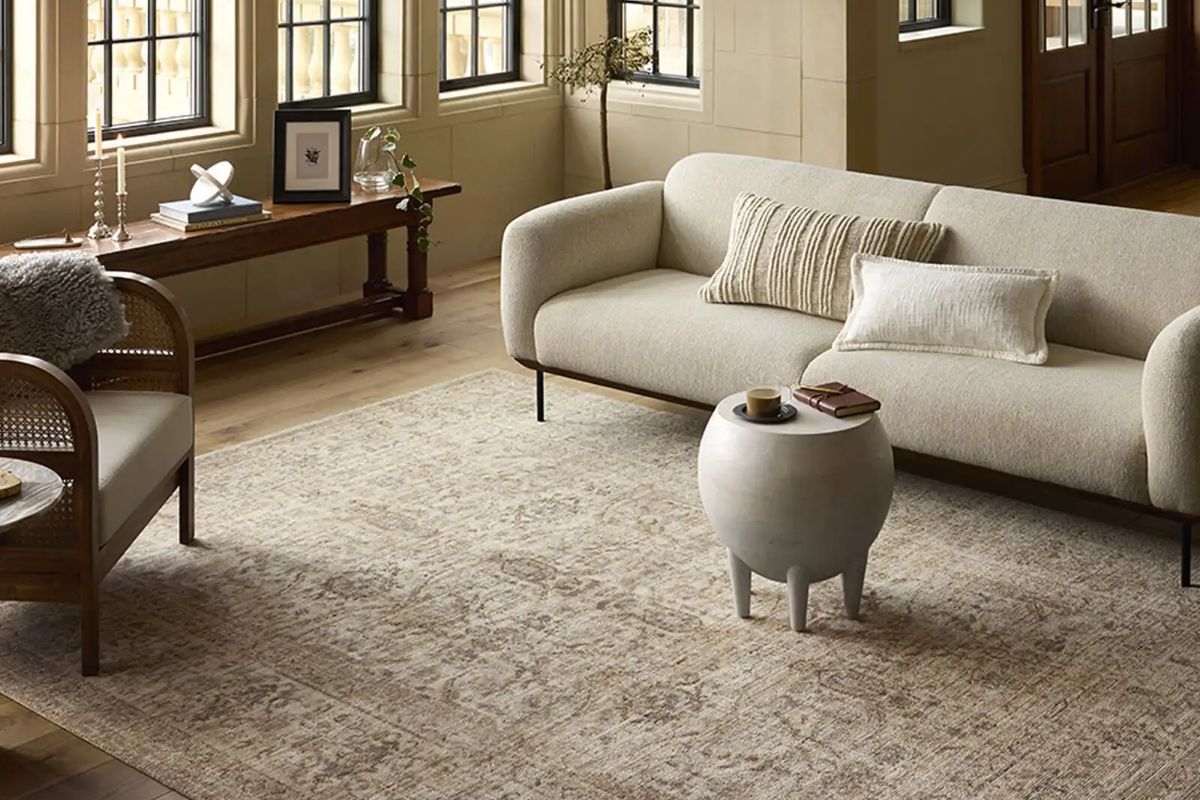
Rugs
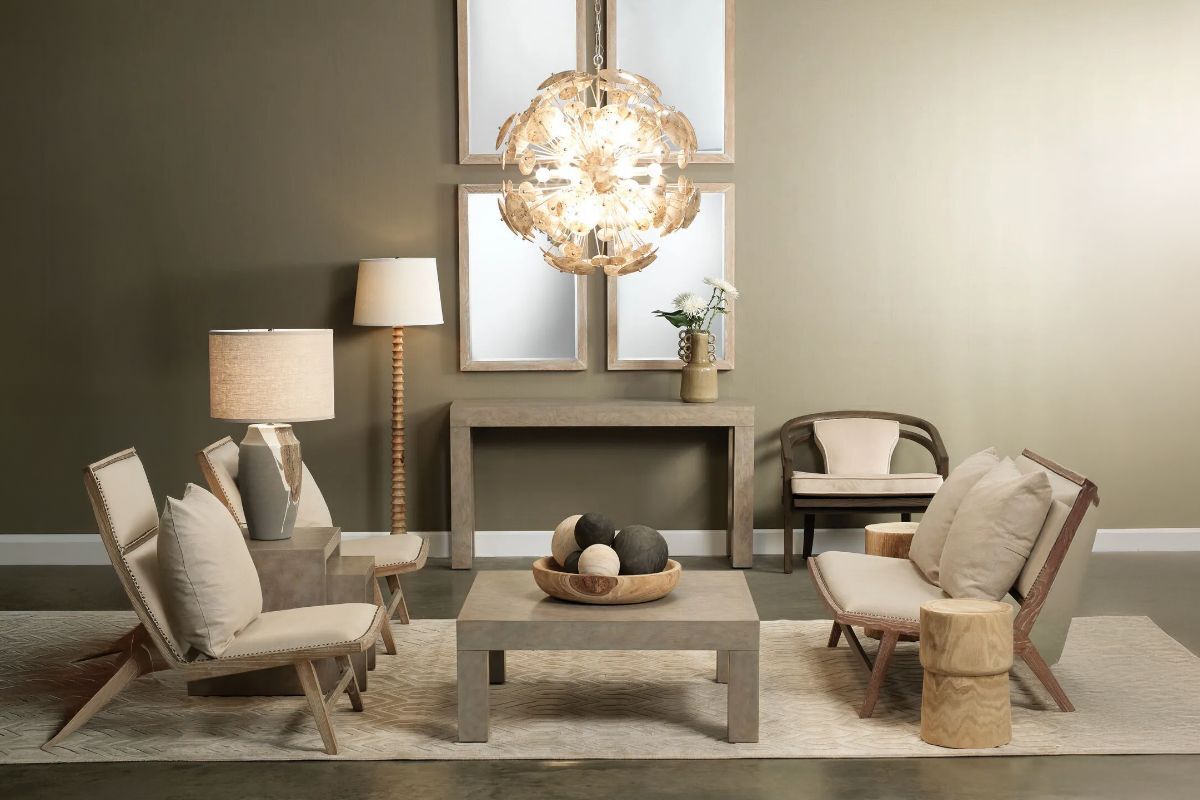
Lighting
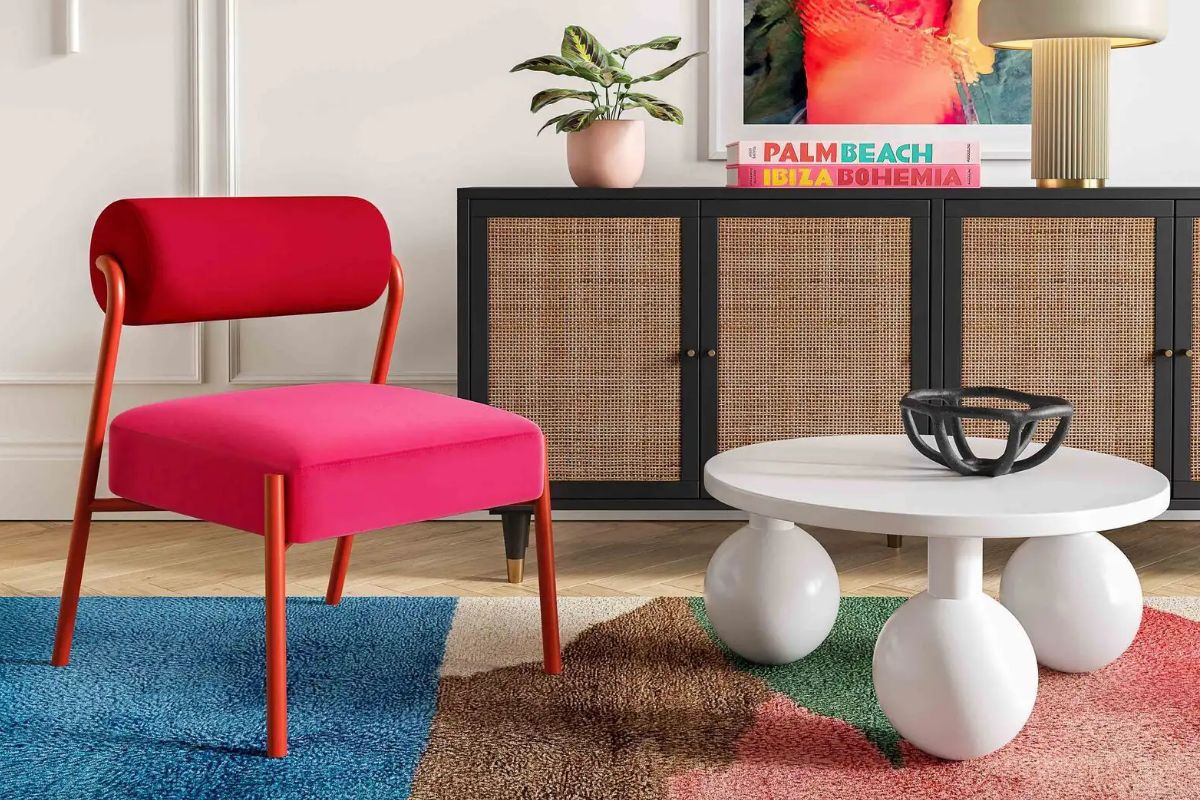
Colors

ENHANCING YOUR LIVING ROOM DESIGN
A living room should reflect comfort, style, and function. Enhancing its design involves more than furniture placement. Pay attention to detail; consider both aesthetic elements and practical needs. This balance creates a cohesive look that is both inviting and practical.
Incorporate various design styles to add depth and uniqueness. Mixing traditional with modern or industrial with rustic can yield engaging results. It allows you to infuse personal style while meeting the functional needs of your space.
Accent pieces play a critical role. These include textiles, such as throw pillows, rugs, and window treatments, which add texture and warmth. Meanwhile, art pieces, sculptures, and decorative items can be used to express your personal taste.
Don't shy away from occasional changes. Rotate decor elements or add seasonal touches to keep the space fresh. Maintaining flexibility lets you update the look without a major overhaul, keeping the living room dynamic and inviting.
Ensure that your design enhances the room's functionality. Design choices should facilitate easy movement and comfort. Thoughtful design addresses these needs while appealing to the eye. Focus on layout flexibility to accommodate changing needs or occasions.

COMMON MISTAKES to AVOID
It's common to make certain mistakes in furniture arrangement.
Overcrowding can make a room feel small, uninviting, cramped, and uncomfortable. Ensure there's ample space to walk freely between furniture and avoid clutter. Clear walkways enhance not only movement but also the room's perceived size.
Prioritize essentials and select pieces that serve multiple purposes to avoid this issue. Keep in mind the importance of negative space. It allows the room to breathe and highlights your chosen decor. Empty areas can also be useful for movement and provide a balanced contrast to filled spaces.
Avoid overwhelming the eye with too many patterns or colors. Stick to a coordinated palette and balance busy patterns with solid hues. This creates a harmonious and calming environment, enhancing your design efforts.

BRINGING it ALL TOGETHER
Creating a well-arranged living room requires thoughtful planning and attention to detail. By balancing style with functionality, measuring your space, and incorporating personal touches, you can craft a room that is both beautiful and practical. Embrace flexibility in your design to ensure it adapts over time.
Q&A
Question: Where should I start before moving any furniture?
Answer: Start with a clear plan. Define how you'll use the room (entertaining, relaxing, or both), list must‑have pieces and a wish list, and note the room's shape, size, and architectural features. Create a mood board or use digital tools to visualize ideas. Planning helps each element serve a purpose, preserves flow, and prevents unnecessary purchases so you can stay on budget.
Question: How do I measure my living room to avoid costly mistakes?
Answer: Measure the room's length, width, and height, and include windows, doors, and built‑ins. Use those measurements to guide furniture size and placement so pieces feel proportionate. Outline potential layouts on the floor with painter's tape to visualize fit and traffic paths before you buy---this simple step saves time and reduces errors.
Question: What is a focal point, and how do I arrange furniture around it?
Answer: A focal point is the feature that naturally draws the eye---often a fireplace, large window, or entertainment center. Once identified, orient seating to complement and highlight it, keeping pathways clear. Avoid crowding the focal point; give it breathing room so it unifies the space and enhances flow.
Question: How can I create good traffic flow and comfortable conversation areas?
Answer: Prioritize clear, logical pathways by keeping bulky pieces out of walkways. Arrange seating to face each other to promote eye contact, and balance distances so it feels intimate but not cramped---adjust angles to fine‑tune comfort. Anchor zones with a coffee table, ottoman, and area rugs, and blend different furniture sizes for depth while maintaining an open, light feel.
Question: How do I balance function and style---and what mistakes should I avoid?
Answer: Distribute visual weight evenly, mix colors, textures, and sizes, and choose versatile pieces (like a storage ottoman) that deliver comfort and practicality. Scale furniture to the room and vary heights and lengths for dynamic lines. Avoid overcrowding, honor negative space so the room can "breathe," and don't overdo patterns or colors---stick to a coordinated palette for harmony. Rotate accents seasonally to keep the room fresh without a full overhaul.
Chelsea King is an SEO specialist at Mathis Home with a background in education and finance. She focuses on creating research-driven, consumer-first content that helps furniture shoppers make informed buying decisions.