Display & China Cabinets
373 Results
From
Member
$2,649.95
2649.95
Everyday
OR
Order Today and Receive It By
10/22/2026

From
$4,679
4679
Everyday
OR
Order Today and Receive It By
10/22/2026


From
Member
$10,766.25
10766.25
Everyday
OR
Order Today and receive it by 10/20/2026
From
$5,019
5019
Everyday
OR
Order Today and Receive It By
10/22/2026


From
Member
$5,532
5532
Everyday
OR
Order Today and Receive It By
10/22/2026
From
Member
$7,125
7125
Everyday
OR
Order Today and Receive It By
10/22/2026


From
Member
$8,652
8652
Everyday
OR
Order Today and Receive It By
10/22/2026
From
$3,939
3939
Everyday
OR
Order Today and Receive It By
10/22/2026
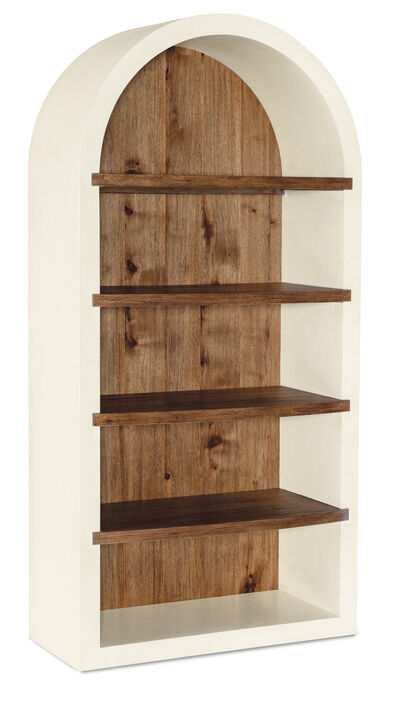
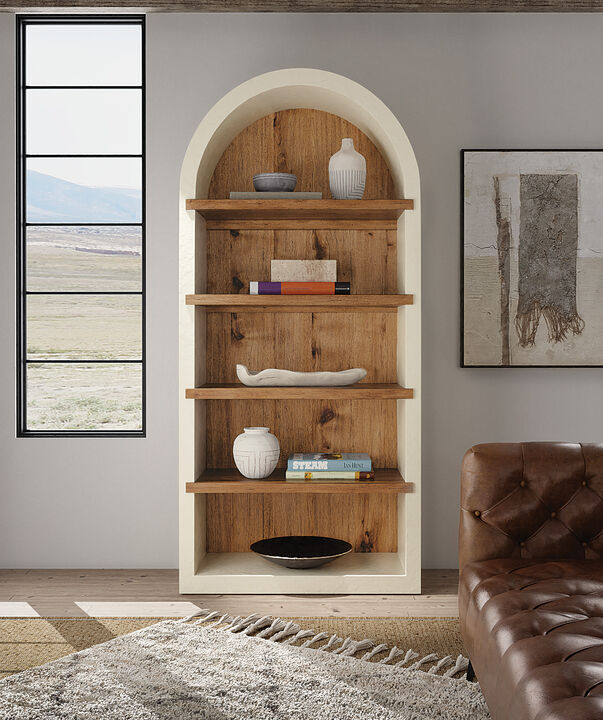

From
Member
$4,702
4702
Everyday
OR
Order Today and Receive It By
10/22/2026
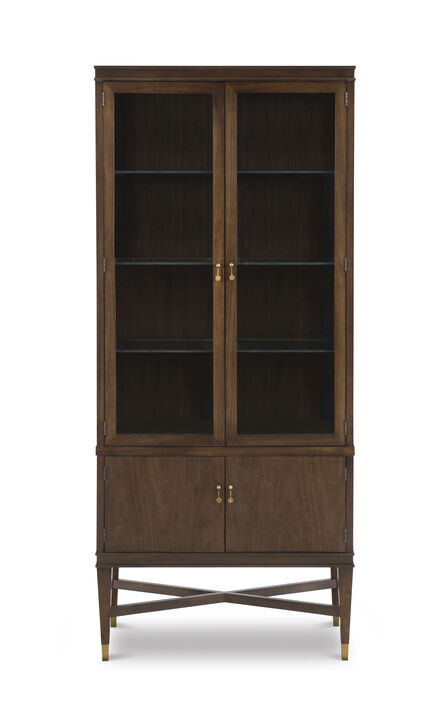


From
Member
$12,084
12084
Everyday
OR
Order Today and Receive It By
10/22/2026
In Stock
Width
Height
Finish Color
Number of Doors
Number of Drawers
Number of Shelves
Style
Shop By Promotion
Brand
Assembly
Online Only
More FiltersFilters
China Cabinets & Display Cabinets
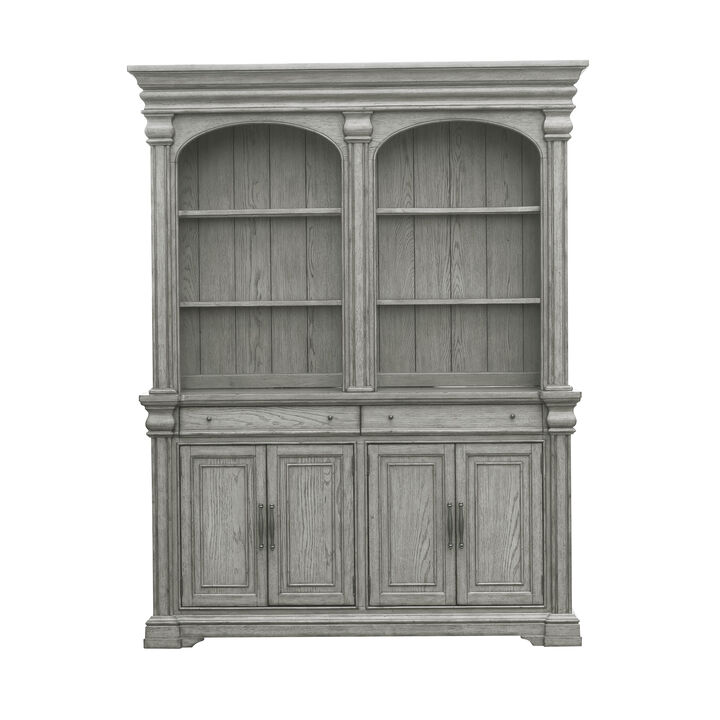
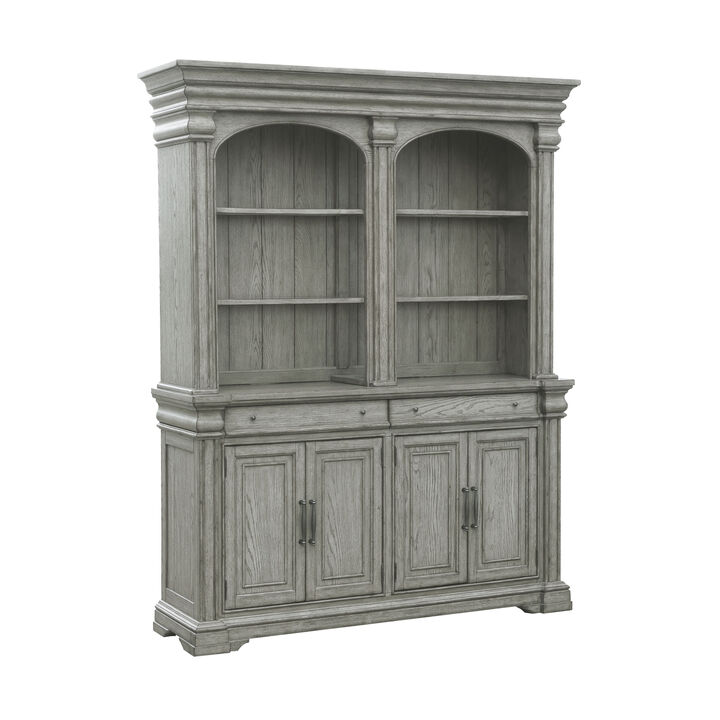
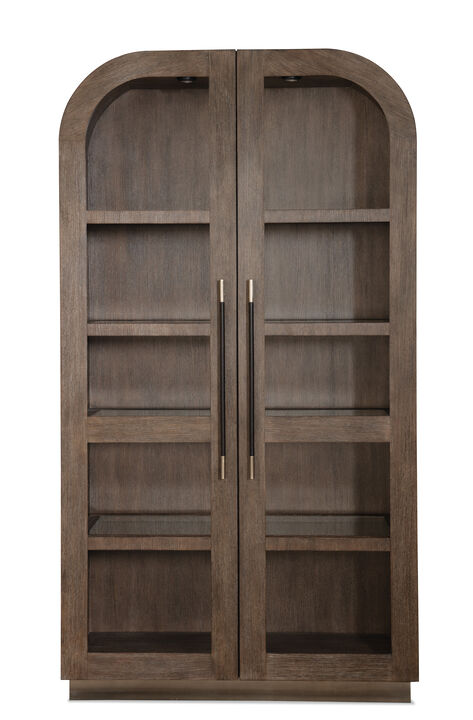
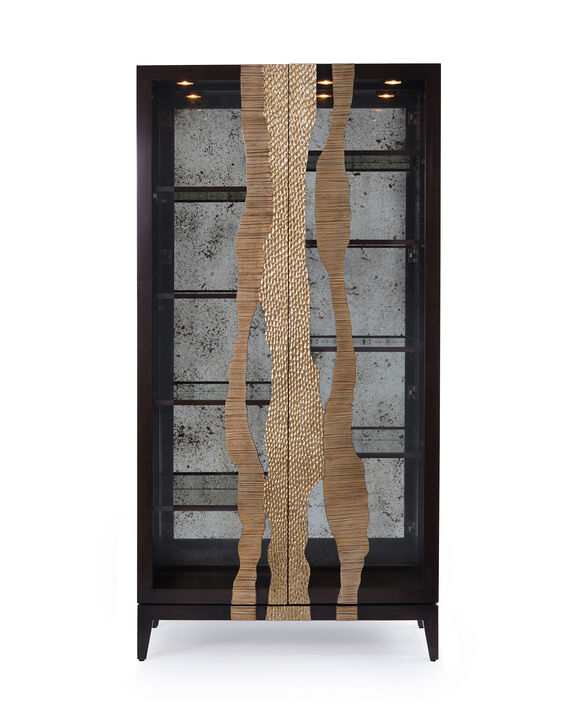
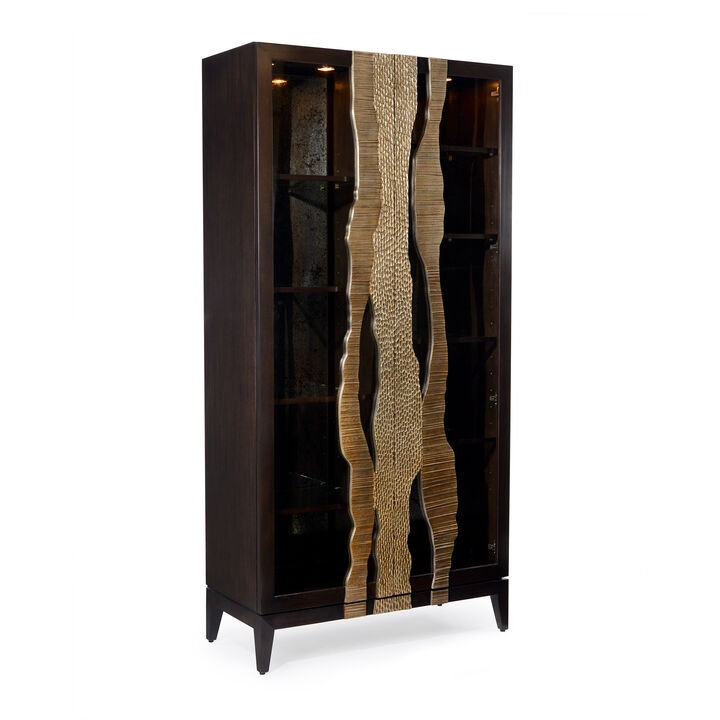
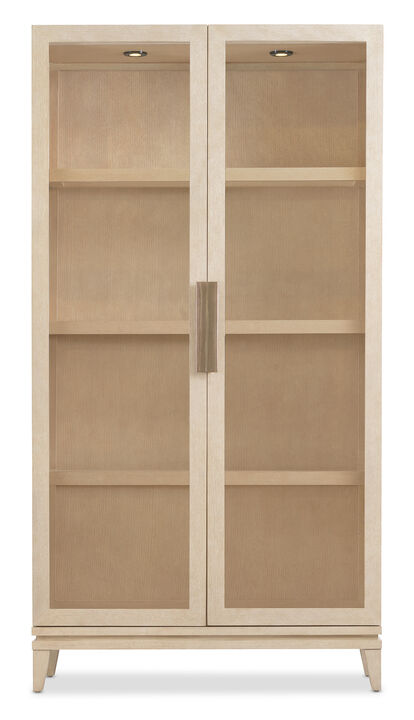
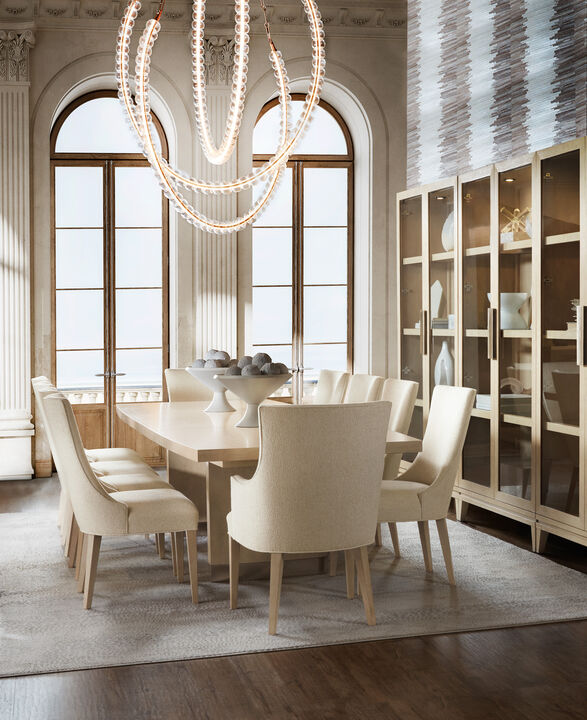
A china cabinet turns everyday storage into a display — a place to keep fine dinnerware, glassware, and collectibles behind glass while showing them off. Mathis Home carries hundreds of china cabinets, curios, and buffet-and-hutch sets in glass-door, lighted, and solid-wood styles, from compact pieces for a breakfast nook to statement cabinets for a formal dining room. Browse trusted brands like Ashley, Hooker, Magnussen, and Bernhardt, then finish the room with a coordinating dining set or sideboard.
Why do we call it a china cabinet?
The name comes from what these cabinets were built to hold: fine porcelain dinnerware, historically imported from China and simply called "china." Because that tableware was delicate and valuable, households wanted a dedicated cabinet — usually with glass doors — to store and display it safely. The name stuck, even though today people use china cabinets for glassware, barware, and collectibles just as often as formal dinnerware.
Are people still buying china cabinets?
Yes — china cabinets have made a strong comeback, and not only for formal dining. Shoppers now use them as lighted display cabinets for glassware and barware, as curios for collectibles, and as statement storage in dining rooms, entryways, and living rooms. Modern designs range from slim glass-front curios to full buffet-and-hutch sets, so they fit both traditional and contemporary homes.
How much is a china cabinet worth today?
What a china cabinet is worth depends mostly on its size, construction, and brand. Solid-wood cabinets from premium makers sit at the higher end, while compact glass curios and veneer-built pieces are easier on the budget. Features like interior lighting, adjustable glass shelves, and mirrored backs add to the value as well. Antique or heirloom china cabinets are judged separately, based on their age, maker, materials, and condition.
What's another word for a china cabinet?
China cabinets go by several names depending on their style. A curio cabinet is a glass-enclosed display piece, often lighted; a hutch is the upper display section that sits on a buffet or sideboard; and a display cabinet or dining cabinet is the general term for a glass-front storage piece. A sideboard or buffet is a related lower cabinet without the glass display top.
Whether you're storing heirloom china, displaying a glassware collection, or adding storage to a dining room, Mathis Home has a china cabinet to match your space and style.
Explore related dining room furniture, or shop sideboards & buffets and bar cabinets & carts for more display and storage options.
Explore related dining room furniture, or shop sideboards & buffets and bar cabinets & carts for more display and storage options.