Kids Desks
38 Results

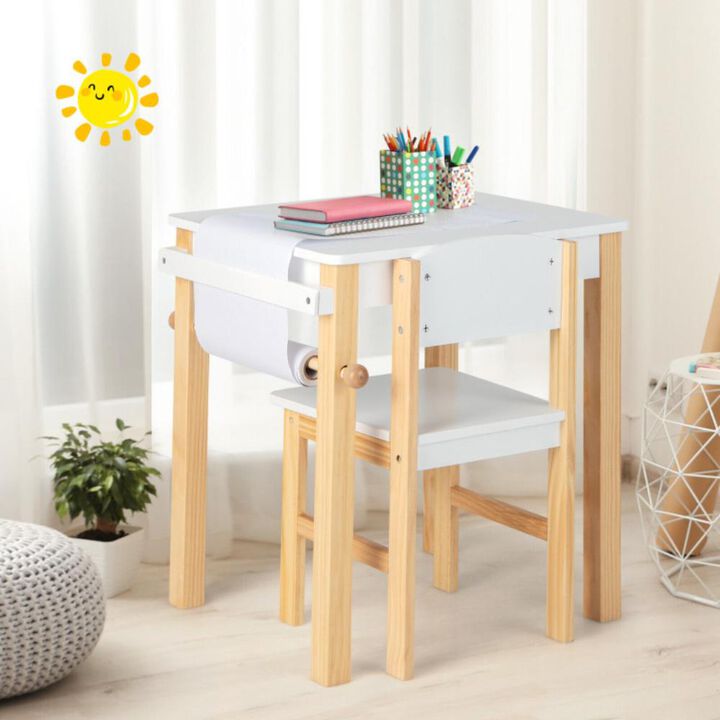


In Stock
Width
Features
Finish Color
Number of Doors
Number of Drawers
Number of Shelves
Style
Brand
Assembly
Online Only
More FiltersFilters
Kids Desks & Study Tables for Every Age
A kids desk gives a child a space of their own to do homework, draw, read, and study — and the right one grows right along with them. Mathis Home carries children’s desks in every style and size, from compact study tables for toddlers and small bedrooms to height-adjustable study desks, kids computer desks, and space-saving ladder and leaning desks for older kids and teens.
Furnishing the whole room? Pair a desk with bunk beds and the rest of our kids bedroom furniture, or browse the full baby & kids collection to bring the look together.
How to Choose a Kids Desk
Start with fit: a desk your child can sit at comfortably — feet flat on the floor, elbows resting near a right angle — keeps them focused and supports good posture. Because kids grow quickly, a height-adjustable study desk often earns its keep for years. Next, measure the room and leave clearance for the chair to pull out; for a tight bedroom, a corner, wall-leaning, or ladder desk with built-in shelving saves floor space. Finally, match the desk to the task: an open writing surface suits homework and art, while a computer desk adds room for a monitor and keyboard. Built-in drawers and shelving keep supplies tidy and the workspace clear.
What is the best desk height for a child?
A kids desk is the right height when your child can rest their feet flat on the floor and keep their elbows at about a 90-degree angle while writing. Because children grow so quickly, a height-adjustable desk is the most practical choice — it can be raised as they get taller so one desk works from early school years into their teens.
What size desk is right for a child’s room?
Measure the wall or corner where the desk will go and leave enough room for the chair to pull out and for your child to get in and out easily. A compact study table fits most bedrooms, while a wider youth desk suits older kids who need space for a laptop and books. In a small room, a corner or leaning desk gives a full work surface without taking up much floor.
What is the best desk for a small bedroom?
For a small bedroom, look to space-saving styles: a wall-leaning or ladder desk uses vertical shelving instead of a large footprint, and a corner desk tucks the workspace into unused space. Desks with built-in drawers or shelves add storage without a separate bookcase, keeping a compact room open and clutter-free.
At what age can a child start using a desk?
Toddlers around age three can enjoy a low activity table for drawing and play, while a dedicated study desk usually makes sense once a child starts school and begins bringing home regular work, around age five or six. A height-adjustable or youth-sized desk carries them through the grade-school and teen years as they grow.
What is the difference between a kids study desk and a kids computer desk?
A study desk is built around an open surface for writing, reading, and art, often with a drawer or two for supplies. A kids computer desk adds space and features for a laptop or monitor and keyboard, sometimes with cable openings or a shelf for a tower. Many children’s desks handle both, so pick based on whether your child mostly does handwritten work or spends time on a screen.
Whether you’re setting up a first homework spot or upgrading to a teen-ready workspace, Mathis Home has a kids desk to match the room and the routine.
Explore more kids bedroom furniture to complete the space.
Explore more kids bedroom furniture to complete the space.